Managing a YouTube channel is not just uploading videos.
That is the mistake most “YouTube channel management software” lists make.
They treat channel management like scheduling, comments, analytics, and basic SEO. Those things matter, but they are not the whole game.
The hardest part of managing a YouTube channel happens before upload:
- What should we make next?
- Which competitors are gaining momentum?
- Which topics are breaking out?
- Which trends are fresh right now?
- Which title and thumbnail angle will make people click?
- Which script structure will keep viewers watching?
- Which videos are ready for voiceover, editing, thumbnail, review, and upload?
- What did the last video teach us?
That is real channel management.
A YouTube channel is not just a publishing account. It is a content operation.
The best YouTube channel management software in 2026 helps creators manage the full system: research, competitors, trends, topics, scripts, thumbnails, voiceovers, production stages, publishing, and feedback.
If your software only helps you schedule uploads after the strategy is already done, it is not managing the channel.
It is managing the calendar.
Key Takeaways
- YouTube channel management software should help creators manage the full channel workflow, not just scheduling and analytics.
- Most tools focus on one slice of the process: publishing, comments, SEO, analytics, project management, or editing.
- The biggest channel management problem is usually pre-production: deciding what to make, why it should work, and how to package it.
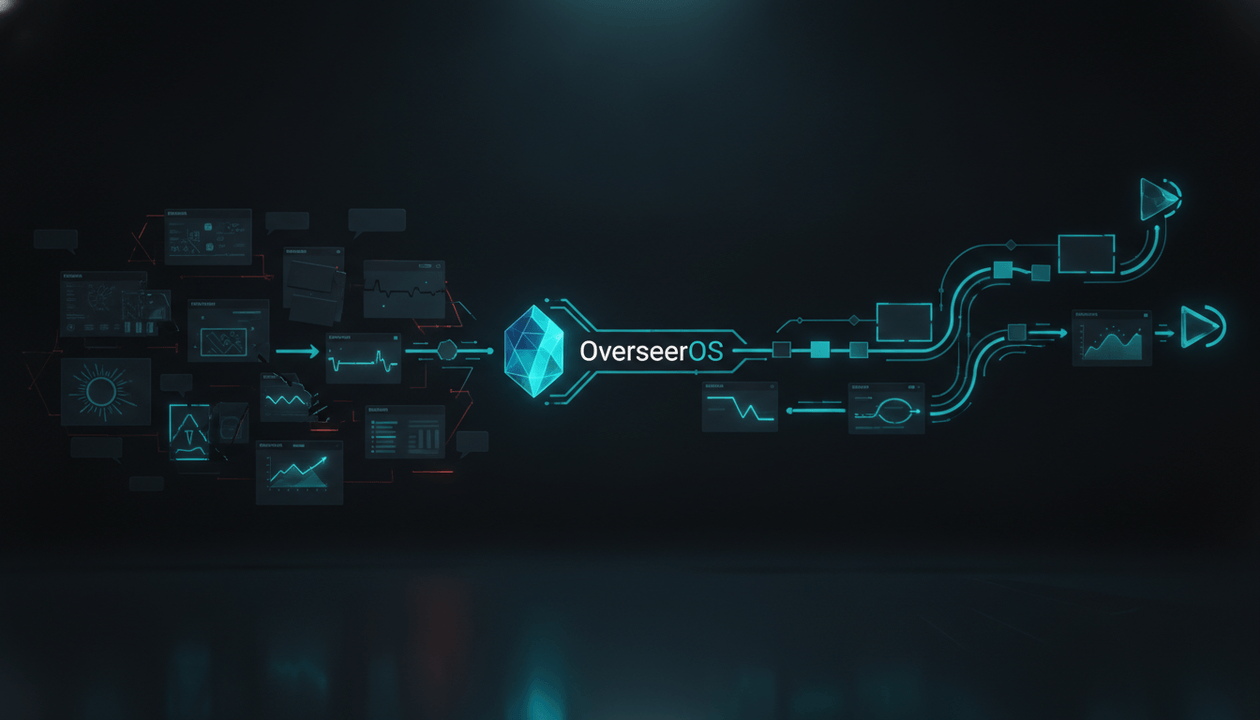
- OverseerOS is the strongest fit for creators who want to manage YouTube research, competitor tracking, trends, scripts, thumbnails, voiceovers, and Smart Content Planners in one workflow.
- YouTube Studio is essential for upload management, analytics, comments, channel settings, and native title/thumbnail testing.
- TubeBuddy and vidIQ are useful for YouTube SEO, keyword research, optimization, and growth insights.
- Hootsuite, Sprout Social, Social Champ, and Buffer are useful for scheduling, social publishing, analytics, and engagement, especially across multiple platforms.
- Notion, ClickUp, Trello, and Airtable are useful for task tracking, but they do not provide YouTube-native strategy by default.
- The best setup is not one tool for everything. It is one clear channel management system where every tool has a specific job.
Quick Verdict: Best YouTube Channel Management Software in 2026
| Software | Best For | Main Strength | Main Weakness |
|---|---|---|---|
| OverseerOS | Managing YouTube strategy and pre-production | Channel analysis, competitor tracking, Smart Content Planners, Trend to Script, scripts, thumbnails, voiceovers | Focused on strategy and pre-production, not full public video editing yet |
| YouTube Studio | Native channel management | Uploads, analytics, comments, settings, monetization, title/thumbnail testing | Limited for external competitor strategy and full content planning |
| TubeBuddy | YouTube SEO and optimization | Keyword tools, SEO tools, thumbnail/title testing, channel insights | More optimization-focused than full pre-production management |
| vidIQ | Keywords, competitors, and growth insights | Keyword data, competition scores, competitor tracking, content ideas | Can be too keyword-first if you need full production planning |
| ViewStats | Competitor and outlier research | Channel stats, public video data, outliers, thumbnail research | Research-heavy, not a full management system |
| Hootsuite | Multi-platform social media management | Scheduling, content creation, analytics, social listening, inbox management | Built for broad social media, not YouTube-first content strategy |
| Sprout Social | Business and team social publishing | YouTube publishing, engagement, analytics, multi-platform management | Better for brands and teams than YouTube-native creator strategy |
| Social Champ | YouTube scheduling and social posting | YouTube scheduling, automation, analytics, engagement | More publishing-focused than research and scripting-focused |
| Buffer | YouTube Shorts scheduling and cross-posting | Simple planning, Shorts scheduling, cross-posting, basic analytics | Limited for long-form YouTube strategy and pre-production |
| ClickUp, Notion, Trello, Airtable | Production tracking and team workflows | Flexible task management, calendars, databases, handoffs | They organize work, but do not decide what videos should exist |
What Is YouTube Channel Management Software?
YouTube channel management software helps creators, teams, agencies, and brands manage the process of running a YouTube channel.
That can include:
- Researching video ideas.
- Tracking competitors.
- Finding trends.
- Planning topics.
- Writing scripts.
- Creating titles.
- Designing thumbnails.
- Generating voiceovers.
- Assigning production tasks.
- Scheduling uploads.
- Managing comments.
- Tracking analytics.
- Reviewing performance.
- Managing multiple channels.
The important part is this:
A real YouTube channel management system should help before, during, and after publishing.
| Stage | What Needs Managing |
|---|---|
| Before production | Research, competitors, trends, topics, titles, thumbnails, scripts |
| During production | Voiceovers, editing, thumbnails, assets, assignments, deadlines |
| Publishing | Upload, metadata, scheduling, end screens, pinned comment, A/B tests |
| After publishing | CTR, retention, comments, performance lessons, next ideas |
Most software only covers one stage.
That is why creators end up with a messy stack:
- YouTube Studio for uploads and analytics.
- Google Trends for trends.
- TubeBuddy or vidIQ for keywords.
- ViewStats for competitors.
- ChatGPT or Claude for scripts.
- Canva for thumbnails.
- ElevenLabs for voiceovers.
- Trello, Notion, ClickUp, or Airtable for production.
- Hootsuite, Buffer, Social Champ, or Sprout Social for scheduling and social management.
That can work.
But the creator becomes the glue between every tool.
The better question is:
Which software helps me manage the part of the channel that is actually breaking?
The Biggest Mistake: Thinking Channel Management Means Scheduling
Scheduling is not channel management.
Scheduling is one small part of it.
A weak YouTube management workflow looks like this:
- Think of a random idea.
- Ask AI for a script.
- Make a thumbnail fast.
- Upload.
- Schedule.
- Hope.
A strong YouTube management workflow looks like this:
- Research what is working.
- Track competitors.
- Find fresh trends.
- Validate the topic.
- Build the title and thumbnail before scripting.
- Write the script from a clear angle.
- Generate or record voiceover.
- Move the video through production.
- Upload and test packaging.
- Review performance.
- Feed the lesson into the next video.
That is the real system.
YouTube Studio is still essential because it is the native home for managing uploads, settings, analytics, comments, and performance. YouTube describes Studio as the place where creators can post, add metadata, pull analytics, get messages from YouTube, and manage videos from mobile. Source: YouTube Creators
But YouTube Studio does not replace the full pre-production workflow.
It tells you what happened on your channel.
It does not fully manage how you decide what to make next.
The 6 Layers of YouTube Channel Management
To choose the right software, split the channel into six management layers.
| Layer | Main Question | Best Software Type |
|---|---|---|
| Strategy | What should we make and why? | OverseerOS, ViewStats, vidIQ, TubeBuddy |
| Pre-production | How do we turn ideas into scripts, titles, thumbnails, and voiceovers? | OverseerOS, Canva, ElevenLabs, AI writing tools |
| Production | Who is doing what and when? | OverseerOS planners, ClickUp, Trello, Notion, Airtable |
| Publishing | How do we upload, schedule, and optimize? | YouTube Studio, TubeBuddy, Hootsuite, Social Champ, Buffer, Sprout Social |
| Engagement | How do we manage comments and community? | YouTube Studio, Hootsuite, Sprout Social |
| Feedback | What did the video teach us? | YouTube Studio, TubeBuddy, vidIQ, OverseerOS planning loop |
If your biggest problem is publishing, use a scheduler.
If your biggest problem is team assignments, use a project management tool.
If your biggest problem is knowing what videos to make, use a YouTube strategy and pre-production system.
That is where OverseerOS fits.
Best YouTube Channel Management Software in 2026
1. OverseerOS
Best for: creators who want to manage YouTube strategy, research, scripts, thumbnails, voiceovers, and planning from one system.
OverseerOS is built for the part of YouTube channel management most tools ignore:
What should we make, why should it work, and how do we turn it into a production-ready video?
Most channel management tools focus on scheduling, analytics, comments, or SEO.
OverseerOS focuses on the strategic pre-production layer.
It helps creators manage:
- Channel analysis.
- Competitor tracking.
- Smart Content Planners.
- Overseer Feed.
- Trend to Script.
- Viral Channel Finder.
- Winning topic discovery.
- Channel blueprint cloning.
- Title generation.
- Script generation.
- Thumbnail generation.
- ElevenLabs-powered voiceovers.
- Topic and script planning.
That matters because YouTube channels do not fail only because they miss uploads.
They fail because they make weak videos.
Weak topics. Weak titles. Weak thumbnails. Generic scripts. No competitor awareness. No trend awareness. No repeatable planning system.
OverseerOS is designed to help creators reverse-engineer what already works and turn those patterns into original content.
A strong OverseerOS channel management workflow looks like this:
- Analyze channels in your niche.
- Add competitors to a Smart Content Planner.
- Use Find Winning Topics to spot strong ideas.
- Use Trend to Script to find fresh web news from the last 24 hours and turn trends into scripts.
- Generate titles from proven patterns.
- Create thumbnail concepts from scratch, from YouTube URLs, from analyzed channel style, or from a 1M+ view thumbnail style library.
- Write scripts based on channel tone, topic angle, and strategy.
- Generate voiceovers inside the workflow using ElevenLabs integration.
- Keep topics, scripts, and voiceovers organized inside planners.
- Send the finished package into editing or production.
That is channel management before the upload.
Use OverseerOS if you want YouTube channel management software for research, scripts, thumbnails, voiceovers, and planning.
2. YouTube Studio
Best for: native YouTube channel management.
YouTube Studio is non-negotiable.
Every creator needs it.
YouTube Studio lets creators manage channel settings, upload and manage videos, check analytics, handle comments, review monetization, and manage channel performance. YouTube’s help docs explain that creators can manage channel settings inside Studio and use Analytics to understand channel and video performance. Source: YouTube Help and YouTube Analytics Help
YouTube Studio is useful for:
- Uploading videos.
- Scheduling videos.
- Editing metadata.
- Managing comments.
- Tracking views.
- Tracking impressions.
- Reviewing CTR.
- Reviewing watch time.
- Reviewing audience retention.
- Managing monetization.
- Managing channel settings.
- Testing titles and thumbnails.
YouTube also supports A/B testing for titles and thumbnails for eligible videos, allowing creators to test up to three variations in Studio. Source: YouTube Help
The strength of YouTube Studio is that it is native.
The weakness is that it is mostly post-creation and channel-side management.
It does not fully solve:
- Competitor research.
- Trend-to-script workflows.
- Smart content planning.
- Channel tone cloning.
- Thumbnail generation from proven styles.
- Pre-production strategy.
Best use case:
Use YouTube Studio as your official upload, analytics, testing, comments, and channel settings hub.
3. TubeBuddy
Best for: YouTube SEO, optimization, testing, and channel growth workflows.
TubeBuddy is one of the most popular YouTube tools for creators. It offers SEO tools, keyword tools, channel insights, A/B testing, thumbnail tools, AI features, community management, analytics, and bulk editing tools. Source: TubeBuddy and TubeBuddy Tools
TubeBuddy is useful for:
- Keyword research.
- SEO optimization.
- Title and thumbnail testing.
- Thumbnail preview and analysis.
- Bulk editing.
- Channel insights.
- Tags and metadata workflows.
- Video optimization.
- Upload productivity.
TubeBuddy is strong when your bottleneck is optimization.
It helps improve the video after you have an idea and are preparing it for YouTube.
The limitation is that optimization is not the same as full channel management.
TubeBuddy can help you improve titles, thumbnails, keywords, and metadata, but it is not primarily designed as a full research-to-script-to-thumbnail-to-voiceover planning system.
Best use case:
Use TubeBuddy when your YouTube channel management problem is SEO, optimization, testing, or upload productivity.
4. vidIQ
Best for: YouTube keyword research, competitor tracking, and growth ideas.
vidIQ is useful for creators who want keyword data, search volume, competition scores, related keyword suggestions, trend data, and ranking opportunities. Source: vidIQ Keyword Tools
vidIQ also offers competitor tools that let creators add and manage competitors, track top-performing videos, and compare performance signals. Source: vidIQ Competitors
vidIQ is useful for:
- Keyword research.
- Search-based video ideas.
- Competitor tracking.
- Ranking opportunities.
- Topic research.
- Video optimization.
- SEO workflows.
- Growth insights.
The strength is search and competitor intelligence.
The limitation is that keyword research and competitor lists still need to become production.
A keyword is not a script.
A competitor video is not an original angle.
A trend signal is not a thumbnail.
Best use case:
Use vidIQ when you need keyword-led channel growth support and competitor visibility.
5. ViewStats
Best for: competitor research, outlier discovery, thumbnails, and public YouTube analytics.
ViewStats is built around public YouTube performance visibility, including channel statistics, video data, outliers, competitor visibility, thumbnail research, and trends. Source: ViewStats
ViewStats is useful when you want to know:
- Which channels are growing.
- Which videos are overperforming.
- Which thumbnails competitors use.
- Which topics are spreading.
- Which videos look like outliers.
- Which competitors are gaining momentum.
That makes it strong for the research layer of channel management.
The limitation is that research is not production.
Once you find an outlier, you still need to decide:
- Why did it work?
- Can my channel make an original version?
- What title should I use?
- What thumbnail should I make?
- What should the script say?
- Where does this go in my production plan?
Best use case:
Use ViewStats for competitor and performance visibility, especially if outlier research is a major part of your YouTube strategy.
For a deeper breakdown, read the YouTube competitor tracking tools guide.
6. Hootsuite
Best for: multi-platform social media scheduling, analytics, listening, and engagement.
Hootsuite is a broad social media management platform that brings scheduling, content creation, analytics, social listening, and engagement into one place. Source: Hootsuite
For YouTube channel management, Hootsuite is useful if YouTube is part of a larger social media operation.
It can help with:
- Scheduling.
- Social content planning.
- Analytics.
- Social listening.
- Inbox management.
- Team engagement workflows.
- Multi-platform campaigns.
The strength is multi-platform management.
If your brand publishes across YouTube, Instagram, TikTok, LinkedIn, X, and other platforms, Hootsuite can help centralize the social layer.
The limitation is that Hootsuite is not YouTube-first.
It does not replace YouTube-specific strategy tools for competitor tracking, outlier research, title patterns, thumbnail intelligence, or script generation.
Best use case:
Use Hootsuite when your YouTube channel is part of a broader social media operation and you need scheduling, analytics, listening, and inbox management across platforms.
7. Sprout Social
Best for: business YouTube publishing, engagement, and analytics across social platforms.
Sprout Social offers YouTube management tools for businesses, including scheduling and publishing content directly to YouTube, engagement, and social video management across platforms. Source: Sprout Social
Sprout Social is useful for:
- Publishing and scheduling.
- Engagement management.
- Social analytics.
- Brand workflows.
- Team collaboration.
- Cross-platform social management.
The strength is business-grade social management.
It is especially useful for teams and brands that manage YouTube alongside other platforms.
The limitation is similar to Hootsuite:
Sprout helps with social media management, but it is not built primarily as a YouTube-native creator strategy system.
It does not automatically replace:
- Channel blueprint cloning.
- YouTube trend-to-script workflows.
- Competitor topic planning.
- Thumbnail style generation.
- Scriptwriting based on proven channel tone.
Best use case:
Use Sprout Social if your channel is managed as part of a larger brand or social team.
8. Social Champ
Best for: YouTube scheduling, automation, analytics, and multi-platform social management.
Social Champ offers YouTube management and scheduling tools, including YouTube scheduling, automation, analytics, and engagement workflows. Its YouTube scheduler is positioned around planning and automating YouTube content. Source: Social Champ YouTube Scheduler and Social Champ YouTube Management Tools
Social Champ is useful for:
- Scheduling YouTube videos.
- Planning content.
- Managing social posts.
- Multi-platform publishing.
- Analytics.
- Engagement.
- Consistent posting workflows.
The strength is publishing management.
The limitation is that scheduling and automation happen late in the process.
They do not automatically solve:
- Which topic to make.
- Which title angle to use.
- Which competitor signal matters.
- Which thumbnail structure should lead the click.
- Which script style fits the channel.
Best use case:
Use Social Champ if your bottleneck is scheduling, publishing consistency, and managing YouTube alongside other social platforms.
9. Buffer
Best for: YouTube Shorts scheduling and simple cross-platform publishing.
Buffer supports planning, crafting, and scheduling YouTube Shorts, plus cross-posting to platforms like TikTok and Instagram. Buffer says its YouTube Shorts toolkit supports planning, previewing, collaboration, and publishing, and its support docs mention YouTube Shorts scheduling and content planning tools. Source: Buffer YouTube and Buffer Support
Buffer is useful for:
- YouTube Shorts scheduling.
- Cross-posting vertical content.
- Basic analytics.
- Lightweight planning.
- Social publishing.
- Simple creator workflows.
The strength is simplicity.
The limitation is that Buffer is not built as a full YouTube long-form management system.
It is especially useful for Shorts and social distribution, but not for deep YouTube research, competitor tracking, scriptwriting, or thumbnail strategy.
Best use case:
Use Buffer if your channel relies heavily on Shorts and you want simple scheduling and cross-posting.
10. ClickUp, Notion, Trello, and Airtable
Best for: production management, team coordination, and custom workflows.
Project management tools are useful for managing the production side of a YouTube channel.
ClickUp has a YouTube Content Calendar template designed to plan, organize, and track YouTube content creation. Source: ClickUp
Notion has YouTube templates for planning, tracking, shooting, production, and channel management. Source: Notion YouTuber Essentials
Trello works well for simple board-based workflows like:
- Ideas
- Research
- Script
- Voiceover
- Thumbnail
- Editing
- Review
- Scheduled
- Published
Airtable works well for structured production databases, calendars, assets, status tracking, and custom views.
These tools are useful for:
- Task tracking.
- Production boards.
- Team assignments.
- Editorial calendars.
- Asset lists.
- Status updates.
- Deadlines.
- Collaboration.
The strength is flexibility.
The limitation is strategy.
A project management tool can track that a video is in scripting, but it will not automatically tell you if the video idea is good.
It can store a thumbnail, but it does not know if the thumbnail creates curiosity.
It can organize your calendar, but it does not know if your topic pipeline is weak.
Best use case:
Use project management tools when your main problem is team coordination and production visibility.
The Best YouTube Channel Management Workflow
The software matters, but the workflow matters more.
Here is the workflow I would build.
Step 1: Manage Research Before You Manage Tasks
Do not start with a task board.
Start with evidence.
Research:
- Competitors.
- Outliers.
- Trends.
- Audience questions.
- Search demand.
- Existing results.
- Thumbnail patterns.
- Title patterns.
- Viewer pain points.
If the topic is weak, the production workflow does not matter.
A well-organized bad idea is still a bad idea.
For a full research breakdown, read the best YouTube research tools guide.
Step 2: Track Competitors Weekly
Competitor tracking should be part of channel management.
You should know:
- What competitors published.
- Which videos overperformed.
- Which topics are spreading.
- Which formats are gaining traction.
- Which thumbnails keep appearing.
- Which title patterns repeat.
- Which comments reveal audience demand.
Inside OverseerOS, competitor tracking can live inside Smart Content Planners so competitor research becomes part of the actual production system.
This is better than manually checking channels and losing the insight.
Step 3: Manage Trends Before They Go Stale
Some niches move fast.
AI, finance, sports, gaming, creator economy, business, entertainment, and news commentary can change daily.
If your channel depends on fresh topics, you need trend management.
Trend to Script inside OverseerOS is designed for this by showing fresh web news from the last 24 hours across many categories and letting creators move directly into script creation.
That matters because the value of a trend decays.
If you find it today but publish next week, the opportunity may be gone.
Read the YouTube trend analysis tools guide for the deeper framework.
Step 4: Manage Packaging Before Scripting
A video should not enter scripting until the click promise is clear.
Before scripting, create:
- 3 title options.
- 1 thumbnail concept.
- 1 main curiosity gap.
- 1 viewer promise.
- 1 opening hook.
Weak workflow:
Write the script first, then think of a title.
Better workflow:
Define the title and thumbnail promise first, then write the script to deliver it.
If thumbnails are a bottleneck, use the AI YouTube thumbnail generator built from proven thumbnail patterns.
Step 5: Manage Scripts, Voiceovers, and Production Together
For faceless channels especially, scripts and voiceovers need to stay close.
A messy workflow looks like this:
- Script in Google Docs.
- Voiceover in ElevenLabs.
- Topic in Trello.
- Thumbnail in Canva.
- Competitor research in a browser tab.
- Editor notes in Slack.
- Final files in a random folder.
That breaks fast.
A cleaner channel management workflow keeps:
- Topic.
- Research source.
- Title.
- Thumbnail concept.
- Script.
- Voiceover.
- Production status.
as close together as possible.
That is why OverseerOS includes Smart Content Planners and ElevenLabs-powered voiceover generation inside the same broader workflow.
Step 6: Publish Through YouTube Studio
Even if you use other tools, YouTube Studio remains the source of truth for the final upload.
Use it for:
- Uploading.
- Scheduling.
- Metadata.
- Thumbnail upload.
- Title/thumbnail testing where eligible.
- Comments.
- Analytics.
- Monetization.
- Performance review.
The management stack should not fight YouTube Studio.
It should feed YouTube Studio better videos.
Step 7: Feed Performance Back Into Planning
After publishing, review:
- CTR.
- Impressions.
- Average view duration.
- Retention curve.
- Traffic sources.
- Comments.
- Subscriber impact.
- Performance vs channel average.
- Title/thumbnail test results.
- Follow-up topic ideas.
Then turn those lessons into the next planning cycle.
That is how channel management compounds.
YouTube Channel Management Software by Use Case
| Use Case | Best Software |
|---|---|
| Full YouTube strategy and pre-production | OverseerOS |
| Native upload and analytics management | YouTube Studio |
| YouTube SEO and optimization | TubeBuddy or vidIQ |
| Competitor and outlier research | OverseerOS, ViewStats |
| Social scheduling across platforms | Hootsuite, Sprout Social, Social Champ |
| YouTube Shorts scheduling | Buffer |
| Team production tracking | ClickUp, Trello, Notion, Airtable |
| Thumbnail creation from proven YouTube patterns | OverseerOS Thumbnail Designer |
| General thumbnail design | Canva |
| Voiceover production | OverseerOS ElevenLabs workflow or ElevenLabs |
| Editing | CapCut, Descript, Premiere Pro, DaVinci Resolve |
What to Look For in YouTube Channel Management Software
Use this checklist before choosing software.
- Does it help decide what videos to make?
- Does it support competitor tracking?
- Does it help find fresh trends?
- Does it help organize topics into a planner?
- Does it help create titles?
- Does it help create thumbnails?
- Does it help write scripts?
- Does it support voiceover or production handoff?
- Does it help schedule or publish?
- Does it support analytics review?
- Does it reduce context switching?
- Does it work for your team size?
- Does it make the next video easier to produce?
- Does it help you improve over time?
If a tool only schedules videos, call it a scheduler.
If a tool only tracks tasks, call it project management.
If a tool only shows analytics, call it analytics.
Channel management software should manage the decisions that make the channel better.
Recommended Stack for Different Creators
Solo Creator
| Need | Recommended Tool |
|---|---|
| Strategy and planning | OverseerOS |
| Upload and analytics | YouTube Studio |
| Thumbnail finishing | OverseerOS Thumbnail Designer or Canva |
| Editing | CapCut or Descript |
| Social scheduling | Buffer or Social Champ if needed |
Faceless Channel Owner
| Need | Recommended Tool |
|---|---|
| Competitor research | OverseerOS |
| Trend discovery | OverseerOS Trend to Script |
| Topic planner | OverseerOS Smart Content Planner |
| Scripts | OverseerOS |
| Voiceovers | OverseerOS ElevenLabs workflow |
| Thumbnail concepts | OverseerOS Thumbnail Designer |
| Editing | CapCut, Descript, Premiere Pro, DaVinci Resolve, or editor |
| Analytics | YouTube Studio |
YouTube Agency or Team
| Need | Recommended Tool |
|---|---|
| Strategy and pre-production | OverseerOS |
| Team task management | ClickUp, Trello, Airtable, or Notion |
| Upload and analytics | YouTube Studio |
| Social publishing | Hootsuite, Sprout Social, or Social Champ |
| Thumbnail workflow | OverseerOS + Canva if needed |
| Editing | Descript, CapCut, Premiere Pro, or editor |
| Reporting | YouTube Studio, Sprout Social, Hootsuite, or custom reports |
Brand Channel
| Need | Recommended Tool |
|---|---|
| Social publishing and approvals | Sprout Social or Hootsuite |
| YouTube analytics | YouTube Studio |
| Content planning | ClickUp, Notion, or Airtable |
| YouTube-specific strategy | OverseerOS |
| SEO optimization | TubeBuddy or vidIQ |
| Creative production | Canva, Descript, CapCut, Premiere Pro |
Common Mistakes With YouTube Channel Management Software
Mistake 1: Buying a Scheduler When You Need a Strategy System
If your problem is inconsistent posting, a scheduler helps.
If your problem is weak topics, a scheduler does nothing.
Do not buy software for the wrong bottleneck.
Ask:
Are we failing because we cannot publish, or because we do not know what deserves to be published?
Those are different problems.
Mistake 2: Treating YouTube Like Instagram
YouTube is not just another social platform.
A YouTube video needs:
- Topic validation.
- Clickable packaging.
- Watchable structure.
- Retention.
- Search or recommendation potential.
- A longer feedback loop.
- Stronger planning.
Multi-platform social tools are useful, but YouTube needs YouTube-native strategy too.
Mistake 3: Managing Tasks But Not Ideas
A task board full of weak ideas is still weak.
The best channel management software should help ideas become stronger before they enter production.
Track the source of every idea:
- Competitor signal.
- Trend signal.
- Search signal.
- Comment demand.
- Outlier pattern.
- Audience pain.
- Previous video result.
If an idea has no source, question it.
Mistake 4: Writing Scripts Before Packaging
Do not write the full script before the title and thumbnail promise are clear.
The title and thumbnail set the expectation.
The script delivers it.
If those are disconnected, viewers leave.
Mistake 5: Ignoring the Feedback Loop
Management does not end when the video is published.
After every video, ask:
- Did people click?
- Did they stay?
- Did the title overpromise?
- Did the thumbnail match the content?
- Did comments reveal confusion or demand?
- Did the video outperform channel average?
- What should we make next?
If your software does not help you learn, the system is incomplete.
Mistake 6: Building a Tool Stack With No Center
A messy stack creates more work.
You do not need ten disconnected tools pretending to be a system.
You need one clear center for each job:
- Strategy center.
- Production center.
- Publishing center.
- Analytics center.
For many creators, OverseerOS can become the strategy and pre-production center, YouTube Studio becomes the publishing and analytics center, and an editing tool handles final production.
Final Verdict
The best YouTube channel management software depends on what part of your channel is broken.
Use YouTube Studio because it is the native home for uploads, settings, analytics, comments, and testing.
Use TubeBuddy or vidIQ if your bottleneck is SEO, keywords, and optimization.
Use ViewStats if your bottleneck is competitor and outlier visibility.
Use Hootsuite, Sprout Social, Social Champ, or Buffer if your bottleneck is scheduling, social publishing, engagement, or multi-platform management.
Use ClickUp, Notion, Trello, or Airtable if your bottleneck is task tracking and team coordination.
Use OverseerOS if your bottleneck is the most important one:
Knowing what to make, why it should work, how to package it, how to script it, and how to move it through production.
That is where serious YouTube channel management starts.
Not at upload.
Before upload.
Before the script.
Before the thumbnail.
Before the idea enters production.
The creators who win in 2026 will not be the ones with the most tools. They will be the ones with the clearest system for turning evidence into better videos.
FAQ
What is YouTube channel management software?
YouTube channel management software helps creators manage the process of running a YouTube channel. This can include research, content planning, competitor tracking, scripts, thumbnails, voiceovers, scheduling, publishing, comments, analytics, and team workflows.
What is the best YouTube channel management software?
For native uploads and analytics, YouTube Studio is essential. For YouTube strategy and pre-production, OverseerOS is the strongest fit because it connects channel analysis, competitor tracking, Smart Content Planners, Trend to Script, scripts, thumbnails, and voiceovers. For SEO, TubeBuddy and vidIQ are strong. For social scheduling, Hootsuite, Sprout Social, Social Champ, and Buffer are useful.
Is YouTube Studio enough to manage a channel?
YouTube Studio is essential, but it is not always enough. It is strong for uploads, analytics, comments, settings, and native testing. But many creators still need separate tools for competitor tracking, trend discovery, topic planning, scriptwriting, thumbnails, voiceovers, and production workflows.
What software do YouTubers use to manage content?
Many YouTubers use a mix of YouTube Studio, TubeBuddy, vidIQ, Notion, Trello, ClickUp, Canva, ElevenLabs, CapCut, Descript, and other tools. Creators who want a more connected pre-production workflow can use OverseerOS for research, planning, scripts, thumbnails, and voiceovers.
What is the best YouTube management software for faceless channels?
For faceless channels, OverseerOS is a strong fit because it helps with competitor research, trend discovery, content planning, scripts, thumbnails, and ElevenLabs-powered voiceovers. Creators can then pair it with an editing tool like CapCut, Descript, Premiere Pro, or DaVinci Resolve.
What is the best software for managing multiple YouTube channels?
For native channel management, YouTube Studio is still required. For strategy and planning across channels, OverseerOS can help manage research, competitors, topics, scripts, thumbnails, and voiceovers. For social scheduling across platforms, tools like Hootsuite, Sprout Social, Social Champ, and Buffer can help.
Is OverseerOS a YouTube channel management tool?
Yes. OverseerOS is best positioned as YouTube channel management software for strategy and pre-production. It helps creators analyze channels, track competitors, find trends, plan topics, write scripts, create thumbnails, generate voiceovers, and manage content planning before videos move into editing and publishing.
Do I need TubeBuddy or vidIQ if I use OverseerOS?
It depends on your workflow. TubeBuddy and vidIQ are strong for YouTube SEO, keyword research, and optimization. OverseerOS is stronger for research-to-production workflows, including competitor tracking, trend discovery, planning, scripts, thumbnails, and voiceovers. Some creators may use both.
What is the difference between YouTube channel management software and YouTube scheduling software?
Scheduling software helps publish or schedule content. Channel management software should cover a broader workflow, including research, planning, production, publishing, engagement, analytics, and feedback.
What should I look for in YouTube channel management software?
Look for software that matches your bottleneck. If you need better ideas, choose research and strategy tools. If you need better publishing consistency, choose a scheduler. If you need better team coordination, choose project management software. If you need a connected pre-production system, choose OverseerOS.