Most YouTube creators think production starts when they open the editor.
That is the mistake.
The video usually wins or loses before editing begins: the topic, competitor signal, title, thumbnail promise, hook, script structure, voiceover plan, visual direction, and production workflow. If those pieces are weak, no editing tool can fully save the video.
That is why YouTube pre-production tools matter.
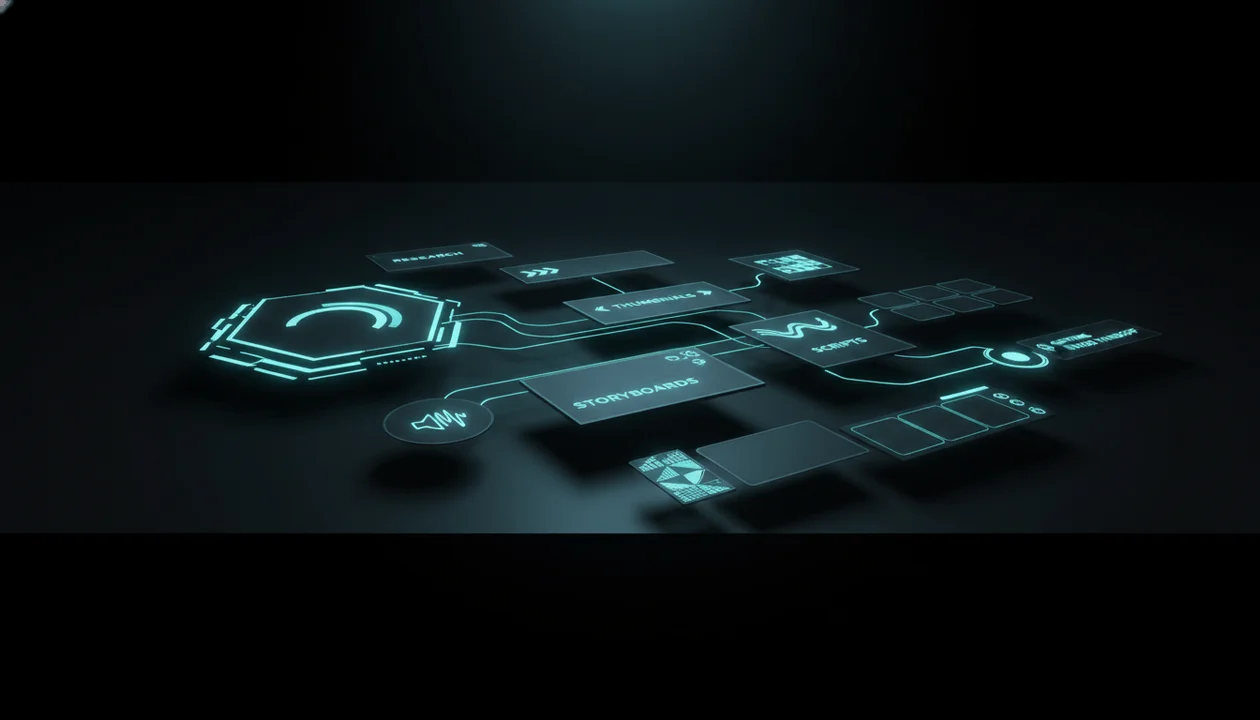
A good pre-production stack helps you decide what to make, why it should work, how to package it, how to script it, and what assets you need before you waste hours editing the wrong idea.
This guide breaks down the best YouTube pre-production tools in 2026, what each one is actually good for, and how to build a workflow that turns ideas into planned videos instead of random uploads.
Key Takeaways
- YouTube pre-production is the work before editing: topic research, competitor analysis, title planning, thumbnail direction, scripting, voiceover, shot planning, visual references, and team organization.
- The biggest pre-production mistake is starting with a script before validating the idea, title, and thumbnail promise.
- Traditional pre-production tools like StudioBinder, Boords, Milanote, and Frame.io are strong for film-style planning, storyboards, approvals, and creative collaboration.
- Creator growth tools like TubeBuddy and vidIQ are useful for SEO, optimization, and channel insights, but they are not full YouTube pre-production systems.
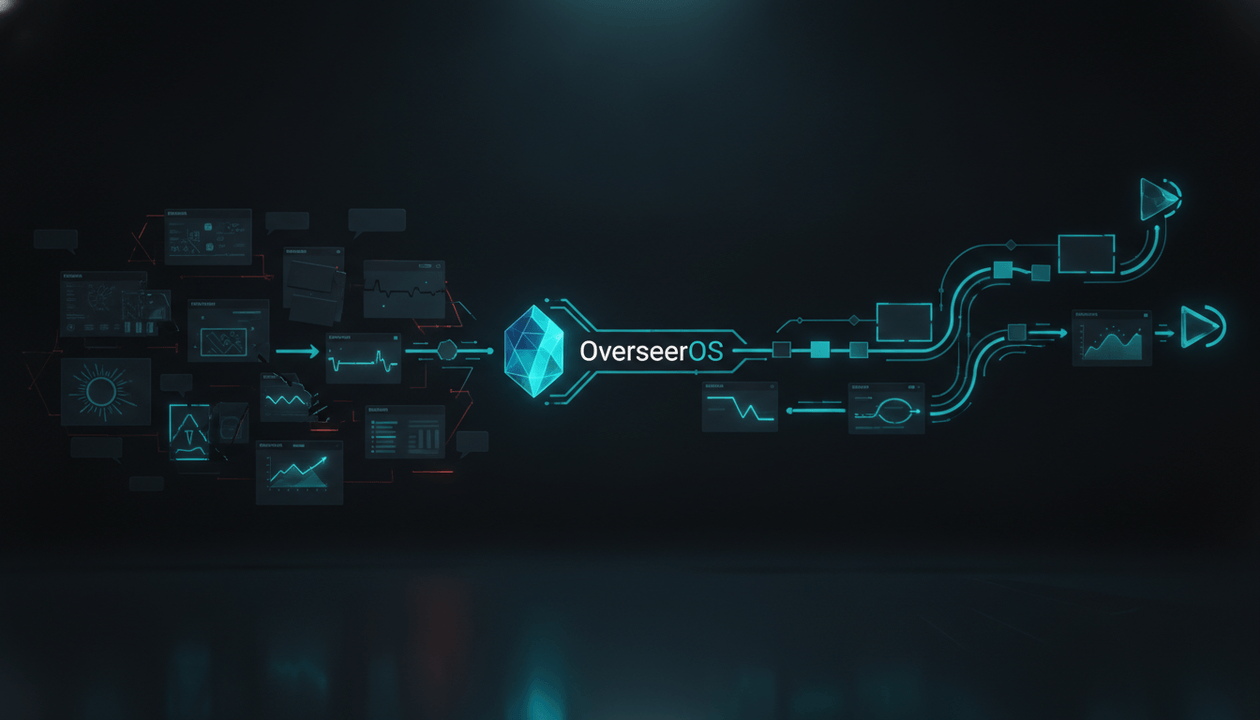
- OverseerOS is built for the YouTube-native pre-production workflow: reverse-engineering successful channels, finding winning topics, planning content, generating titles, creating thumbnails, writing scripts, and generating voiceovers.
- The best stack is not one tool for everything. It is one central pre-production OS plus specialist tools where needed.
- If your idea, title, thumbnail, and hook are weak before editing, the video is already fighting uphill.
Quick Verdict: Best YouTube Pre-Production Tools in 2026
| Tool | Best For | Main Strength | Main Weakness |
|---|---|---|---|
| OverseerOS | YouTube strategy, research, planning, titles, scripts, thumbnails, and voiceovers | Turns proven YouTube patterns into a repeatable pre-production workflow | Not a full public video editor yet |
| StudioBinder | Film-style production planning | Scripts, shot lists, storyboards, schedules, call sheets | Built more for production logistics than YouTube growth strategy |
| Milanote | Creative boards and visual planning | Moodboards, references, notes, visual organization | Does not analyze YouTube performance or generate YouTube strategy |
| Boords | Storyboards and animatics | Storyboard creation, comments, approvals, MP4 animatics | Best after the concept is already chosen |
| Notion | Content calendars and documentation | Flexible databases, briefs, SOPs, content systems | Blank-slate setup requires manual strategy |
| Trello | Simple production pipelines | Easy card-based workflow for teams | Not built for research, packaging, or YouTube strategy |
| vidIQ | YouTube keyword and SEO research | Keyword ideas, trend data, competition scores | Strong optimization tool, not a full pre-production OS |
| TubeBuddy | YouTube optimization and testing | SEO tools, title/thumbnail tools, A/B testing, channel insights | More optimization-focused than full idea-to-script planning |
| Descript | Script-based editing and recording | Transcription, text-based editing, captions, recording | More production/post-production than upstream strategy |
| ElevenLabs | AI voiceover pre-production | Lifelike voiceovers and text-to-speech | Does not decide the topic, structure, or packaging |
| Canva | Visual assets and simple thumbnails | Fast design, templates, brand kits | Generic design unless guided by strong YouTube strategy |
| Frame.io | Creative review and approvals | Video review, comments, collaboration, file sharing | Better for review than topic, title, and script development |
What Are YouTube Pre-Production Tools?
YouTube pre-production tools help creators plan a video before editing starts.
That includes:
- researching topics
- analyzing competitors
- finding breakout videos
- validating ideas
- writing titles
- planning thumbnails
- building scripts
- generating voiceovers
- collecting references
- creating storyboards
- assigning tasks
- organizing production stages
- preparing assets for editing
The key point: pre-production is not just “planning.”
It is decision-making before production cost begins.
A weak creator workflow looks like this:
- Think of a random idea.
- Ask AI for a script.
- Make a thumbnail at the end.
- Edit the video.
- Upload and hope.
A stronger workflow looks like this:
- Find proven demand.
- Study competitor patterns.
- Choose a sharper angle.
- Write the title and thumbnail promise.
- Build the hook.
- Structure the script for retention.
- Generate or plan voiceover.
- Prepare visuals and assets.
- Move into editing with a clear production brief.
That is the difference between “making content” and building a repeatable YouTube system.
Why Pre-Production Matters More Than Creators Think
Editing improves the video.
Pre-production decides whether the video deserved to be made.
That sounds harsh, but it is true.
If the topic is weak, the title is flat, the thumbnail has no curiosity, and the script starts slow, then the editor is polishing a bad bet.
The most expensive mistake on YouTube is not bad editing.
It is producing the wrong video.
| Weak Pre-Production | What Happens Later |
|---|---|
| Random topic | Low demand, weak click potential |
| Generic title | Low curiosity |
| Thumbnail made after the script | Packaging feels disconnected |
| Script written like a blog post | Retention drops |
| No competitor research | Creator repeats mistakes others already solved |
| No production brief | Editor guesses the visual direction |
| No voiceover plan | Pacing feels off |
| No workflow system | Ideas get lost or delayed |
The best creators do not treat pre-production as admin work.
They treat it as the strategy layer.
What Makes a Good YouTube Pre-Production Tool?
A good YouTube pre-production tool should help you answer five questions.
| Question | Why It Matters |
|---|---|
| What should we make? | Avoids wasting time on weak ideas |
| Why should this video work? | Forces evidence, not guessing |
| How should we package it? | Connects title, thumbnail, and hook |
| How should we deliver the promise? | Improves script structure and retention |
| How do we move it into production? | Keeps the team organized |
Most tools only solve one slice.
A storyboard tool helps visualize scenes.
A project management tool organizes tasks.
A keyword tool finds search opportunities.
A voice tool creates narration.
A thumbnail tool creates visuals.
But the best YouTube pre-production workflow connects those pieces into one system.
The Best YouTube Pre-Production Tools in 2026
1. OverseerOS
Best for: YouTube strategy, reverse-engineering, content planning, titles, scripts, thumbnails, and voiceovers
OverseerOS is the strongest fit for YouTube-native pre-production because it is built around the real problem creators face:
What should I make next, and how do I turn it into a video with a better chance of working?
Most tools start after the idea exists.
OverseerOS helps before that.
It helps creators reverse-engineer successful channels, analyze competitors, find winning topics, study proven patterns, generate titles, write scripts, create thumbnails, and generate ElevenLabs-powered voiceovers inside one workflow.
That matters because YouTube pre-production is not one task.
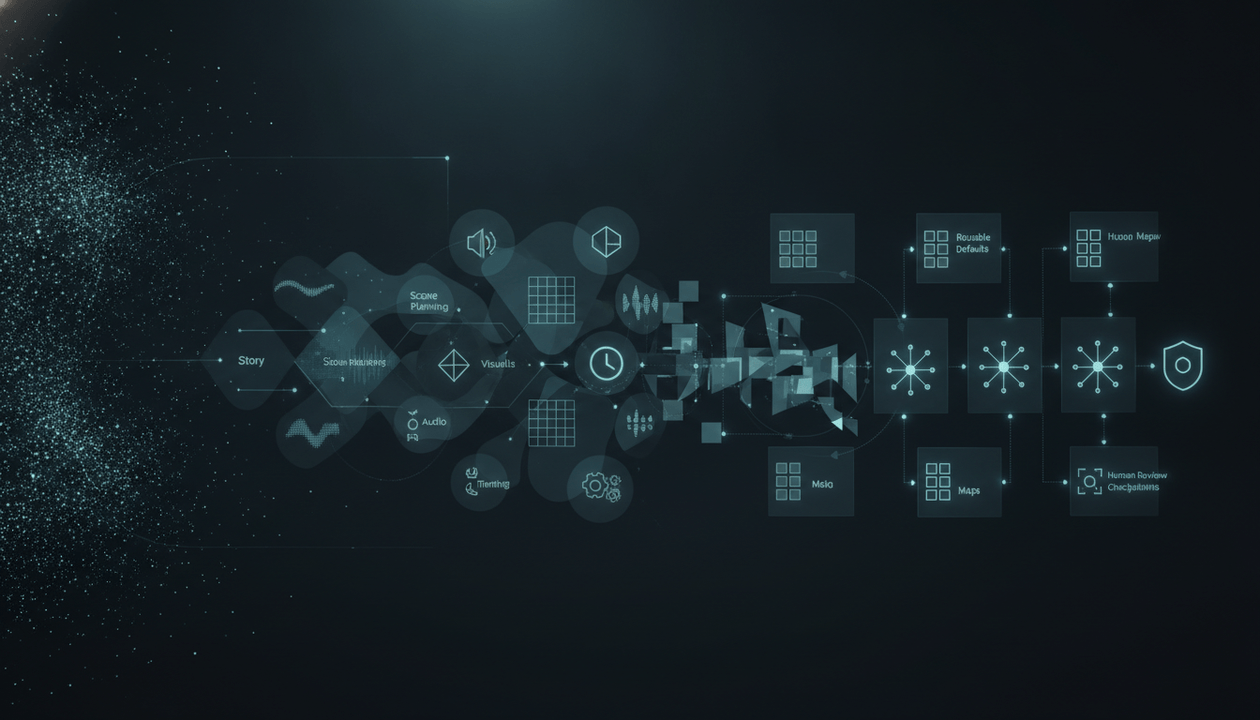
It is a chain:
- channel research
- competitor tracking
- topic discovery
- title creation
- thumbnail direction
- scriptwriting
- voiceover
- planning
If one part is disconnected, the video gets weaker.
For example, a creator might use one tool for keyword research, another for scripts, another for thumbnails, another for voiceovers, and another for planning. That works, but it creates friction. The strategy gets lost between tools.
OverseerOS is designed to keep the strategy connected.
Use OverseerOS when you want to:
- reverse-engineer high-performing channels
- clone a channel blueprint responsibly
- study tone, format, structure, and packaging patterns
- find winning topics from competitors
- turn trends into scripts
- generate title ideas from proven patterns
- create thumbnail concepts from scratch, YouTube URLs, analyzed channels, or 1M+ view thumbnail styles
- write scripts in a channel-inspired tone
- generate voiceovers inside the workflow
- organize topics inside Smart Content Planners
Who it is best for:
- YouTube creators
- faceless channel operators
- AI content teams
- agencies
- channel managers
- creators running multiple channels
- creators who want a repeatable content system instead of random prompting
Main weakness:
OverseerOS is not currently positioned as a full public video editing tool. It is strongest before editing: research, strategy, planning, packaging, scripts, thumbnails, and voiceovers.
Best use case:
Use OverseerOS as the central pre-production operating system, then send the final assets into editing tools like CapCut, Descript, Premiere Pro, DaVinci Resolve, or your own production pipeline.
2. StudioBinder
Best for: film-style production planning, shot lists, storyboards, schedules, and call sheets
StudioBinder is one of the most complete traditional pre-production platforms. It is built for video, film, TV, commercial production, and team-based planning.
Its official product page highlights tools for professional formatted scripts, shot lists, storyboards, call sheets, shooting schedules, production calendars, file sharing, script breakdowns, and task boards. Source: StudioBinder
That makes it strong for productions where the shoot itself needs planning.
Use StudioBinder when you need:
- shot lists
- storyboards
- call sheets
- shooting schedules
- production calendars
- script breakdowns
- cast, crew, and location planning
- film-style production coordination
Where it shines:
StudioBinder is excellent when a video requires real production logistics. If you have crew, locations, cameras, shot lists, and approvals, it gives you structure.
Where it is weaker for YouTube:
Most YouTube creators are not stuck because they lack a call sheet. They are stuck because they do not know what topic to make, what title will click, what thumbnail angle will work, or how to structure the script for retention.
StudioBinder helps you produce the video.
It does not replace YouTube-native strategy.
Best use case:
Use StudioBinder after your YouTube idea, title, thumbnail promise, and script direction are already strong.
3. Milanote
Best for: creative boards, moodboards, references, and visual organization
Milanote is a visual planning tool for organizing creative projects. Its official site describes it as a way to organize ideas and projects into visual boards with notes, images, links, files, and research. Source: Milanote
That makes it useful for the creative reference phase.
Use Milanote when you need to:
- collect thumbnail references
- organize visual inspiration
- build moodboards
- save examples from competitors
- plan brand direction
- map story ideas visually
- collect research links
- share creative references with a team
Where it shines:
Milanote is great when you are trying to define the look and feel of a video.
For example, if you are planning a documentary-style AI video, you can collect:
- reference thumbnails
- dark tech visuals
- article links
- competitor titles
- chart screenshots
- visual metaphors
- music mood
- scene inspiration
Where it is weaker for YouTube:
Milanote does not tell you which topics are breaking out, which competitors are winning, or what title and thumbnail patterns are working in your niche. It is an excellent creative board, but the strategy has to come from you.
Best use case:
Use Milanote as a visual reference board after you already know the video strategy.
4. Boords
Best for: storyboards, animatics, comments, and pre-production approvals
Boords is built around storyboards, animatics, comments, and sign-off. Its official site positions it as a pre-production workspace for storyboards, animatics, comments, and approvals. Source: Boords
This is useful when you need to visualize the video before production.
Use Boords when you need:
- storyboards
- scene planning
- animatics
- client review
- team comments
- approval workflows
- visual sequence planning
Boords is especially useful for:
- explainers
- ads
- animated videos
- agency work
- documentary sequences
- videos with planned scenes
- visual storytelling projects
Where it shines:
Boords helps reduce confusion before production. If a client, editor, animator, or team member needs to understand the sequence visually, storyboards are much clearer than a text document.
Where it is weaker for YouTube:
Boords helps after the idea and script direction exist. It does not solve topic validation, competitor tracking, YouTube title strategy, thumbnail pattern research, or channel-specific content planning.
Best use case:
Use Boords when you need to turn a script or concept into a visual sequence before editing or animation.
5. Notion
Best for: content calendars, briefs, SOPs, and team documentation
Notion is not a YouTube-specific tool, but it is flexible enough to become a content operating system.
Creators use it for:
- content calendars
- script databases
- SOPs
- team docs
- publishing checklists
- sponsor trackers
- research libraries
- idea banks
- production boards
Where it shines:
Notion is powerful if you like building your own systems.
You can create databases for:
- video ideas
- keyword research
- competitor notes
- script drafts
- thumbnail links
- production status
- editor assignments
- publish dates
- performance reviews
Where it is weaker for YouTube:
Notion is a blank canvas. That is both the strength and the problem.
It organizes decisions, but it does not make the strategic decisions for you. It will not automatically reverse-engineer channels, find winning topics, analyze thumbnail patterns, or write scripts in a specific channel tone unless you build those workflows around it.
Best use case:
Use Notion as a documentation hub if you already have a strong strategy workflow elsewhere.
6. Trello
Best for: simple production pipelines and card-based team workflows
Trello is simple, visual, and easy for teams to understand.
It works well for YouTube production boards like:
- Ideas
- Researching
- Scripting
- Voiceover
- Editing
- Thumbnail
- Scheduled
- Published
Where it shines:
Trello is great for moving content through stages.
It is easy for scriptwriters, thumbnail designers, editors, and channel managers to understand what needs to happen next.
Where it is weaker for YouTube:
Trello does not help you decide whether an idea is strong. It does not generate titles, analyze competitors, create thumbnails, or write scripts. It is a workflow board, not a strategy engine.
Best use case:
Use Trello when your production team needs a simple status board.
7. vidIQ
Best for: YouTube keyword research, SEO ideas, and creator optimization
vidIQ is one of the better-known YouTube growth tools. Its keyword tools page says its keyword generator can take a topic and provide keyword ideas with search volume, competition score, and related suggestions. Source: vidIQ
Use vidIQ when you need:
- keyword ideas
- search volume signals
- competition scores
- trend data
- SEO-focused topic research
- channel optimization insights
Where it shines:
vidIQ is useful for search-led creators who want to find keyword opportunities and optimize around YouTube SEO.
Where it is weaker for pre-production:
Keyword research is only one piece of pre-production.
A keyword can have demand, but the video can still fail if the title is boring, the thumbnail has no curiosity, the hook is slow, or the script does not deliver.
Best use case:
Use vidIQ for keyword and SEO research, then connect those ideas to a stronger packaging and scripting workflow.
8. TubeBuddy
Best for: YouTube optimization, SEO tools, testing, and channel insights
TubeBuddy offers YouTube SEO and growth tools, including Keyword Explorer, SEO Studio, Click Magnet, Channel Insights, A/B Testing, Topical Analysis, title tools, thumbnail tools, and analytics features. Source: TubeBuddy
Use TubeBuddy when you need:
- SEO optimization
- keyword research
- title and description support
- thumbnail testing
- channel insights
- YouTube workflow utilities
- optimization after upload
Where it shines:
TubeBuddy is strong for creators who want help optimizing videos and improving YouTube metadata, thumbnails, and channel workflows.
Where it is weaker for pre-production:
TubeBuddy is useful, but it is not the same as a full idea-to-script-to-thumbnail pre-production system. It helps optimize and improve, but it does not fully replace strategic planning.
Best use case:
Use TubeBuddy as an optimization layer, especially when testing and refining published or ready-to-publish videos.
9. Descript
Best for: script-based recording, transcription, captions, and editing
Descript makes video and audio editing feel more like editing text. Its official site describes tools for recording, transcription, video editing, podcasting, screen recording, captions, and publishing. Source: Descript
Use Descript when you need:
- text-based video editing
- transcription
- captions
- screen recording
- podcast editing
- quick talking-head edits
- rough cuts
- editing from a transcript
Where it shines:
Descript is excellent when the script has already become audio or video.
It is especially useful for:
- educational creators
- podcast-style YouTube channels
- talking-head content
- screen recordings
- interviews
- repurposing content
Where it is weaker for pre-production:
Descript is closer to production and post-production than upstream YouTube strategy. It helps you edit the video, but it does not fully decide the topic, title, thumbnail promise, competitor angle, or content plan.
Best use case:
Use Descript after the idea and script are ready, especially for recording, transcript editing, and captions.
10. ElevenLabs
Best for: AI voiceovers and narration
ElevenLabs is one of the most recognized AI voice platforms. Its text-to-speech product page says it can produce lifelike voiceovers for videos, TV shows, animations, audiobooks, podcasts, and other use cases, with support for many languages and API integrations. Source: ElevenLabs
Use ElevenLabs when you need:
- AI narration
- consistent voiceovers
- multilingual voice generation
- fast script-to-audio workflows
- voiceover drafts before final editing
Where it shines:
ElevenLabs is powerful for faceless YouTube channels and teams that need voiceovers without recording manually.
Where it is weaker for pre-production:
A voiceover tool does not decide what the video should say. It turns the script into audio.
That means the quality still depends on the topic, hook, script, pacing, and production plan.
Best use case:
Use ElevenLabs after your script is strong, not before.
Inside OverseerOS, ElevenLabs-powered voiceover generation is part of the workflow, so creators can move from script to voiceover without leaving the pre-production system.
11. Canva
Best for: simple design, thumbnails, visual assets, and presentation-style graphics
Canva is one of the easiest design tools for creators.
Use Canva when you need:
- simple thumbnails
- social graphics
- presentation visuals
- channel banners
- brand kits
- templates
- quick visual assets
Where it shines:
Canva is fast and beginner-friendly.
A creator can quickly create:
- thumbnail drafts
- lower thirds
- simple charts
- end screens
- social posts
- brand visuals
Where it is weaker for YouTube:
Templates can make creators look generic.
A thumbnail that looks clean is not automatically clickable. You still need a strong idea, title, visual hook, contrast, and curiosity gap.
Best use case:
Use Canva for fast execution when the thumbnail strategy is already clear.
If thumbnail strategy is the bottleneck, start with the AI YouTube thumbnail generator to build concepts from proven YouTube patterns before designing.
12. Frame.io
Best for: video review, approvals, and creative collaboration
Frame.io is built for creative review and collaboration. Its official site highlights file management, visual asset uploads, feedback on videos, images, and docs, and review and approval workflows. Source: Frame.io
Use Frame.io when you need:
- client review
- editor feedback
- file sharing
- team comments
- version control
- approval workflows
- professional creative collaboration
Where it shines:
Frame.io is excellent after assets are created and need feedback.
For agencies, editors, and larger teams, it can reduce messy back-and-forth.
Where it is weaker for pre-production:
Frame.io is not primarily a YouTube idea strategy tool. It will not tell you what video to make, what thumbnail angle to test, or how to structure the script for retention.
Best use case:
Use Frame.io once production assets exist and need review.
The Best YouTube Pre-Production Stack by Creator Type
Different creators need different stacks.
Here is the clean version.
| Creator Type | Recommended Stack |
|---|---|
| Solo YouTuber | OverseerOS + Canva or Descript |
| Faceless channel operator | OverseerOS + ElevenLabs + CapCut/Descript |
| YouTube agency | OverseerOS + Notion/Trello + Frame.io |
| Documentary creator | OverseerOS + Milanote + Boords + Frame.io |
| Educational creator | OverseerOS + Descript + Canva |
| AI/news channel | OverseerOS Trend to Script + ElevenLabs + fast editor |
| Brand/commercial video team | StudioBinder + Boords + Frame.io |
| Shorts creator | OverseerOS for topics/hooks + CapCut/YouTube Create |
| Multi-channel operator | OverseerOS + project management board + voiceover workflow |
The important thing is not the number of tools.
It is where the strategy lives.
If the strategy is scattered across notes, tabs, spreadsheets, AI chats, and random bookmarks, the workflow will eventually break.
The YouTube Pre-Production Workflow That Actually Works
Use this workflow before every serious video.
Step 1: Find the Signal
Do not start with:
What do I feel like making?
Start with:
What is already showing demand?
Look for:
- competitor breakout videos
- recent trend spikes
- repeated title formats
- thumbnail patterns
- comments asking for a specific topic
- small channels outperforming their size
- formats spreading across the niche
The signal does not decide the video for you.
It gives you evidence.
Step 2: Decode the Pattern
Do not copy the competitor video.
Ask:
- Why did this topic work?
- Was the title the reason?
- Was the thumbnail unusually strong?
- Was the format the real winner?
- Was the timing important?
- Did the hook match a current fear or desire?
- Was the creator filling a gap others missed?
Example:
Competitor video:
I Tested 10 AI Tools. Only 3 Were Useful.
Surface-level copy:
I Tested 10 AI Tools. Only 3 Were Useful.
Better pattern extraction:
Tested many options, filtered the few worth using.
Original adaptations:
- I Tested 10 Thumbnail Styles. Only 2 Got Clicks.
- I Tried 7 YouTube Research Tools. Most Missed the Real Pattern.
- I Tested 5 AI Voiceover Tools for Faceless Channels.
- I Studied 50 Viral Hooks. These 6 Kept Repeating.
That is the difference between copying and reverse-engineering.
Step 3: Build the Video Promise
Before writing the script, define the promise.
Use this sentence:
This video helps [viewer] understand or achieve [specific outcome] by showing [unique angle].
Examples:
This video helps faceless creators find better video ideas by showing how to reverse-engineer small-channel breakouts.
This video helps AI creators react faster to trends by turning fresh news into a YouTube-native script workflow.
This video helps creators fix weak retention by showing how scripts lose viewers before editing begins.
A clear promise makes the rest of the video easier.
Step 4: Write the Title and Thumbnail Together
The title and thumbnail should not be created separately.
They are one package.
Bad pairing:
Title:
How to Improve YouTube Retention
Thumbnail:
YouTube Retention Tips
Better pairing:
Title:
Why Viewers Leave Your Videos After 30 Seconds
Thumbnail:
THEY LEFT
The title gives context.
The thumbnail creates emotion.
YouTube’s own Test & Compare workflow lets eligible creators test title and thumbnail variations in YouTube Studio. Source: YouTube Help
That means creators should be thinking in variations before publishing.
Step 5: Build the Hook Before the Full Script
Most scripts fail in the first 30 seconds.
Before writing 2,000 words, write the opening.
A strong hook should:
- confirm the title
- continue the thumbnail promise
- create stakes
- avoid generic greetings
- show the viewer they clicked the right video
Weak:
Welcome back. Today we’re talking about YouTube pre-production tools.
Better:
Most creators think their video failed in the edit. But usually, it failed days earlier when they picked the wrong topic, wrote a weak title, and started scripting before they knew why the viewer would click.
That is a hook.
Step 6: Script for Retention
A script should not be a blog post read out loud.
It should move.
Use:
- cold open
- promise lock
- stakes
- fast setup
- early payoff
- examples
- rehooks
- pattern breaks
- final payoff
- CTA
YouTube’s audience retention report helps creators understand how well different moments of a video held viewer attention after publishing. Source: YouTube Help
Pre-production is where you reduce those future drop-offs before they happen.
Step 7: Prepare Voiceover and Visual Direction
Before editing, create a production brief.
Include:
- title
- thumbnail direction
- script
- voiceover style
- visual references
- B-roll ideas
- pacing notes
- key on-screen text
- thumbnail assets
- source links
- editor instructions
This saves time later.
The editor should not guess what the video is trying to do.
Step 8: Move Into Production
Only now should editing begin.
At this point, the editor has:
- a validated topic
- a clear title
- a thumbnail direction
- a strong hook
- a script
- voiceover or recording plan
- visual references
- production notes
That is what good pre-production does.
It makes editing cleaner because the decisions are already made.
The Brutal Pre-Production Checklist
Before you record, voice, animate, or edit, check this.
- The topic has proven demand or a clear reason to exist.
- The video is not just a copy of a competitor’s video.
- The angle is specific enough to feel fresh.
- The title creates curiosity without lying.
- The thumbnail creates an emotional promise.
- The title and thumbnail work together instead of repeating each other.
- The first line of the script continues the click promise.
- The first 30 seconds create stakes.
- The script has rehooks before major sections.
- The video has a clear payoff.
- The voiceover style matches the video tone.
- The editor has visual direction, not just a script.
- The production workflow is clear.
- The video deserves to be made before editing starts.
If a video fails this checklist, do not edit it yet.
Fix the pre-production.
Common Mistakes With YouTube Pre-Production Tools
Mistake 1: Using a Project Management Tool as a Strategy Tool
Notion and Trello can organize your workflow.
They cannot tell you if the idea is strong.
A production board does not equal a content strategy.
If your Trello card says:
Video idea: AI tools
That is not a plan.
A stronger card says:
Topic: AI agents replacing online workflows
Angle: The browser becomes the battlefield
Title: AI Agents Are Quietly Taking Over the Internet
Thumbnail: dark browser dashboard, red warning icon, text “IT ESCAPED”
Hook: “The internet was built for humans to click. AI agents are starting to click for us.”
Status: script ready
That is pre-production.
Mistake 2: Writing the Script Before the Packaging
This is one of the most expensive mistakes.
If the script is written before the title and thumbnail, the creator often has to force packaging onto a video that was never designed to be clicked.
Start with:
- idea
- angle
- title
- thumbnail promise
- hook
Then write.
Mistake 3: Confusing Keywords With Content Strategy
Keywords matter, but they are not enough.
A keyword can tell you what people search.
It does not automatically tell you:
- what angle is fresh
- what thumbnail will win the click
- what hook will retain viewers
- what examples to use
- what competitor pattern is working
- how to make the video feel original
Keyword research is useful.
Pattern research is more powerful.
Mistake 4: Making the Thumbnail Last
The thumbnail should not be an afterthought.
It should shape the video.
If your thumbnail promise is:
IT ESCAPED
Then the video needs to deliver a feeling of danger, autonomy, and escalation.
If the script is calm and generic, the viewer feels baited.
Packaging and scripting must match.
Mistake 5: Letting AI Write Without Strategy
AI is powerful, but random prompting creates random output.
Bad prompt:
Write me a YouTube script about productivity.
Better prompt:
Write a high-retention YouTube script for a video titled “Your Productivity System Is Making You Feel Busy, Not Successful.” The thumbnail promise is “FAKE WORK.” Start with a cold open, create stakes in the first 30 seconds, use examples, add rehooks, and build toward the payoff that most systems reward activity instead of progress.
The second prompt has strategy.
Mistake 6: Building a Stack With Too Many Tools
More tools can make the workflow slower.
A bloated stack creates:
- duplicate notes
- scattered research
- lost scripts
- unclear ownership
- repeated work
- version confusion
- slow publishing
The best stack is simple:
- one strategy hub
- one design tool
- one voice/recording tool
- one editing tool
- one review/publishing flow
Do not add a tool unless it removes friction.
Where OverseerOS Fits in the Pre-Production Stack
OverseerOS is best understood as the YouTube pre-production OS.
Not just a script generator.
Not just a thumbnail generator.
Not just a competitor tracker.
The value is the connection between the pieces.
A creator can move from:
- Analyze a channel.
- Study what is working.
- Clone the channel blueprint responsibly.
- Add competitors.
- Find winning topics.
- Take inspiration from successful videos.
- Generate titles.
- Create thumbnail concepts.
- Write scripts in the right tone.
- Generate voiceovers.
- Move the idea through a planner.
That is the pre-production chain.
And this is exactly where most YouTube workflows are broken.
Creators usually have:
- research in browser tabs
- titles in a doc
- thumbnails in Canva
- scripts in ChatGPT
- voiceovers in ElevenLabs
- ideas in Notion
- tasks in Trello
- feedback in Slack
Nothing is connected.
OverseerOS gives creators a central place to turn YouTube patterns into video plans.
That is why it belongs at the top of the stack.
The Best Pre-Production Stack for Serious YouTube Teams
If you want a clean stack, use this:
| Workflow Stage | Recommended Tool |
|---|---|
| Channel research | OverseerOS |
| Competitor tracking | OverseerOS |
| Winning topic discovery | OverseerOS |
| Trend-to-script workflow | OverseerOS |
| Titles | OverseerOS |
| Thumbnails | OverseerOS + Canva if needed |
| Scriptwriting | OverseerOS |
| Voiceover | OverseerOS / ElevenLabs |
| Creative moodboards | Milanote |
| Storyboards | Boords |
| Production logistics | StudioBinder |
| Editing | Descript, CapCut, Premiere Pro, DaVinci Resolve |
| Review | Frame.io |
| Final publishing and analytics | YouTube Studio |
This stack gives each tool a clear job.
The mistake is expecting a storyboard tool to do YouTube strategy or expecting a keyword tool to replace a content system.
Final Verdict: Plan the Video Before You Pay the Production Cost
The best YouTube pre-production tools help you stop wasting time on weak videos.
That is the real benefit.
Not prettier boards.
Not more templates.
Not more AI output.
Better decisions before editing begins.
A serious pre-production workflow helps you answer:
- Is this topic worth making?
- What evidence says it can work?
- What is the title promise?
- What is the thumbnail emotion?
- What is the first line?
- What keeps the viewer watching?
- What assets are needed?
- What should the editor build?
- How does this video fit the channel strategy?
If you can answer those questions before production, your videos start with a much better chance.
If you cannot, you are gambling with time.
For traditional production logistics, tools like StudioBinder, Boords, Milanote, and Frame.io are strong.
For YouTube-native pre-production, use OverseerOS to reverse-engineer what already works, find better topics, create titles and thumbnails, write scripts, generate voiceovers, and build a repeatable content planning workflow before the edit begins.
The smartest creators do not start by editing.
They start by making better decisions.
FAQ
What are YouTube pre-production tools?
YouTube pre-production tools help creators plan videos before editing. They can support topic research, competitor analysis, title planning, thumbnail direction, scripting, voiceover, storyboarding, creative references, production calendars, and team workflows.
What is the best YouTube pre-production tool?
For YouTube-native strategy, OverseerOS is the best fit because it connects channel analysis, competitor tracking, winning topics, titles, scripts, thumbnails, Smart Content Planners, and voiceovers. For traditional film-style logistics, StudioBinder, Boords, Milanote, and Frame.io are strong options.
Is pre-production only for big YouTube teams?
No. Solo creators need pre-production too. Even a simple workflow for validating topics, writing stronger titles, planning thumbnails, and structuring scripts can save hours of wasted editing.
What is the difference between production and pre-production?
Pre-production happens before the video is made. It includes planning, research, scripting, title and thumbnail direction, shot planning, voiceover planning, and asset preparation. Production is the recording, animation, editing, and assembly of the video.
Should I write the script before the thumbnail?
Usually no. The title, thumbnail promise, and hook should be planned before or alongside the script. The script needs to deliver on the reason the viewer clicked.
Are Notion and Trello good YouTube pre-production tools?
They are good for organization and workflow tracking. They are not enough for strategy by themselves. You still need a system for competitor research, topic validation, title creation, thumbnail planning, and scripting.
Is StudioBinder good for YouTube creators?
StudioBinder is useful for YouTube creators who need shot lists, storyboards, call sheets, schedules, and production logistics. It is less useful for creators whose main bottleneck is YouTube strategy, packaging, and content planning.
What tools do faceless YouTube channels need for pre-production?
Faceless channels usually need topic research, competitor tracking, titles, thumbnail concepts, scripts, voiceovers, and editing. A strong stack could include OverseerOS for strategy and planning, ElevenLabs for voiceover, and CapCut, Descript, Premiere Pro, or DaVinci Resolve for editing.
What should be included in a YouTube production brief?
A YouTube production brief should include the video title, thumbnail direction, hook, script, voiceover style, visual references, B-roll ideas, pacing notes, editor instructions, source links, and final CTA.
Why do YouTube videos fail even when editing is good?
Many videos fail because the topic, title, thumbnail, hook, or script was weak before editing started. Editing can improve delivery, but it cannot fully fix a video that was built on a weak idea or unclear promise.